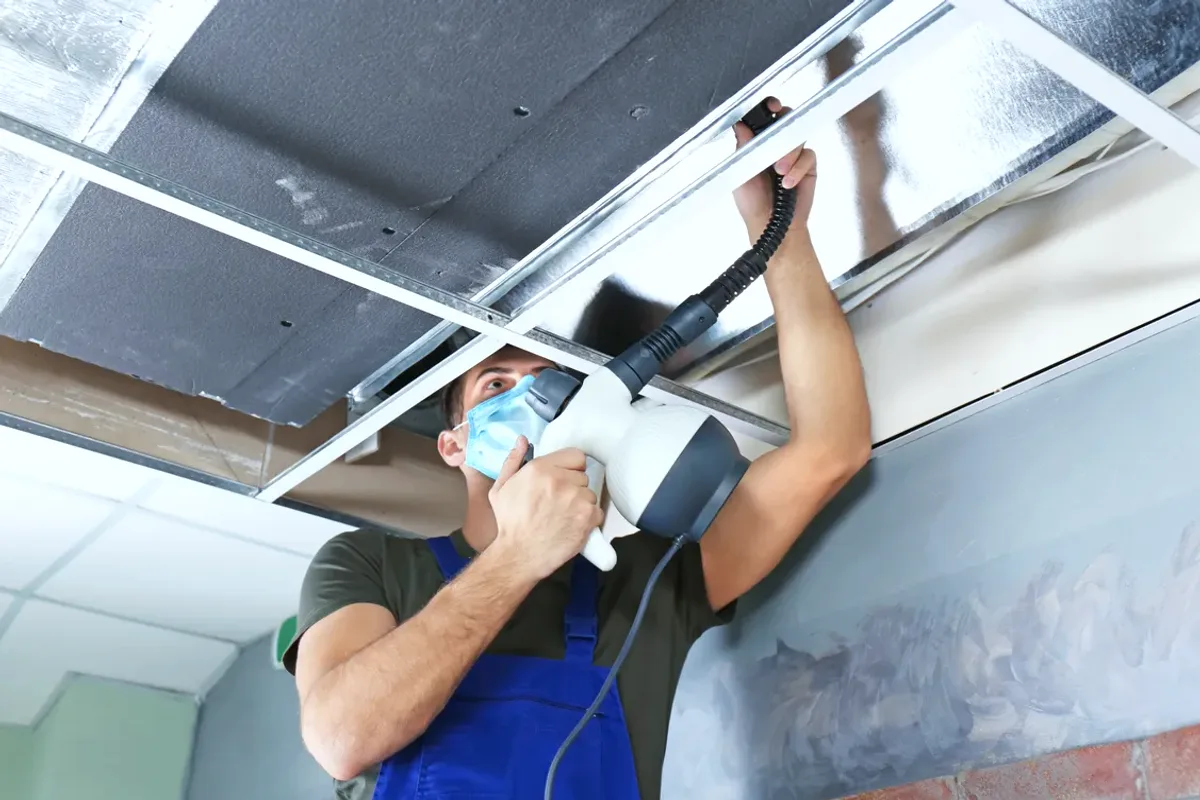
Request duct cleaning for a property in Pickering. Include the equipment, the problem or planned work, and your location so the request can be reviewed.
What findings show that duct cleaning is appropriate rather than another airflow or moisture repair?
Duct cleaning is most relevant when inspection finds material in the ductwork that needs removal, such as renovation debris or a specific buildup. A musty odour, weak register airflow, or visible dust does not by itself prove that cleaning is the right remedy; moisture, a closed damper, a crushed duct, or equipment condition may be responsible. Assessment should locate the source and define which duct sections or connected components need attention, rather than recommending routine cleaning on a fixed schedule.
Describe where an odour or airflow change occurs, when it began, and whether recent renovation or water exposure took place. Inspection should identify the affected duct section and distinguish loose debris from a collapsed run, closed damper, or moisture source. These findings matter because cleaning removes material but does not correct damaged ductwork or ongoing moisture. The scope should specify what will be inspected and which surfaces, if any, need cleaning.
Condition-based removal of renovation debris and other observed duct material.
Airflow restriction diagnosis, including dampers and damaged or obstructed ducts.
Odour and moisture-source assessment before cleaning or replacing affected sections.
Assessment and Scope
Questions for the Proposed Work
01
Base cleaning on visible or documented material
Renovation sanding or drywall work can leave debris in ductwork, but the extent should be checked rather than assumed from the project alone. Inspection can identify whether material is in supply runs, returns, or an accessible air-handler area and define the affected scope. A cleaning decision should be tied to observed conditions. Routine cleaning at a set interval is not justified without findings or instructions specific to the equipment.
02
Trace weak airflow before cleaning ducts
A register with little airflow may be affected by a closed damper, crushed duct, disconnected run, equipment fault, or debris restriction. Comparing airflow across registers and inspecting the relevant run can distinguish these causes. Cleaning can remove suitable loose material, but it cannot restore a crushed section or correct a control problem. The assessment should report the actual restriction and identify whether cleaning, duct repair, or another service is indicated.
03
Investigate odours and moisture at their source
A musty smell that occurs when the fan starts can be associated with moisture or contamination, but cleaning alone may not resolve an ongoing source. Inspection should look for damp or damaged duct sections and consider nearby drainage or air-handler conditions where relevant. If material is water-damaged, the response may involve correcting the moisture source and assessing the affected section for repair or replacement. Do not apply routine chemical treatments without a specific finding and suitable product instructions.
Compare the next step
Separate the ducted system from ductless heads, radiators, and combustion venting in the request. Ask which components a cleaning quotation covers and which need different maintenance or qualified service. Any contamination evidence should be linked to the actual air path instead of attributed broadly to every installed heating appliance.
Routine cleaning is not automatically necessary and does not guarantee health or energy benefits. Resolve moisture sources and assess damaged materials rather than treating cleaning as the only remedy.