Request ductless ac installation for a property in Pickering. Include the equipment, the problem or planned work, and your location so the request can be reviewed.
How should indoor-unit locations and line-set routes be evaluated before installing a ductless air conditioner?
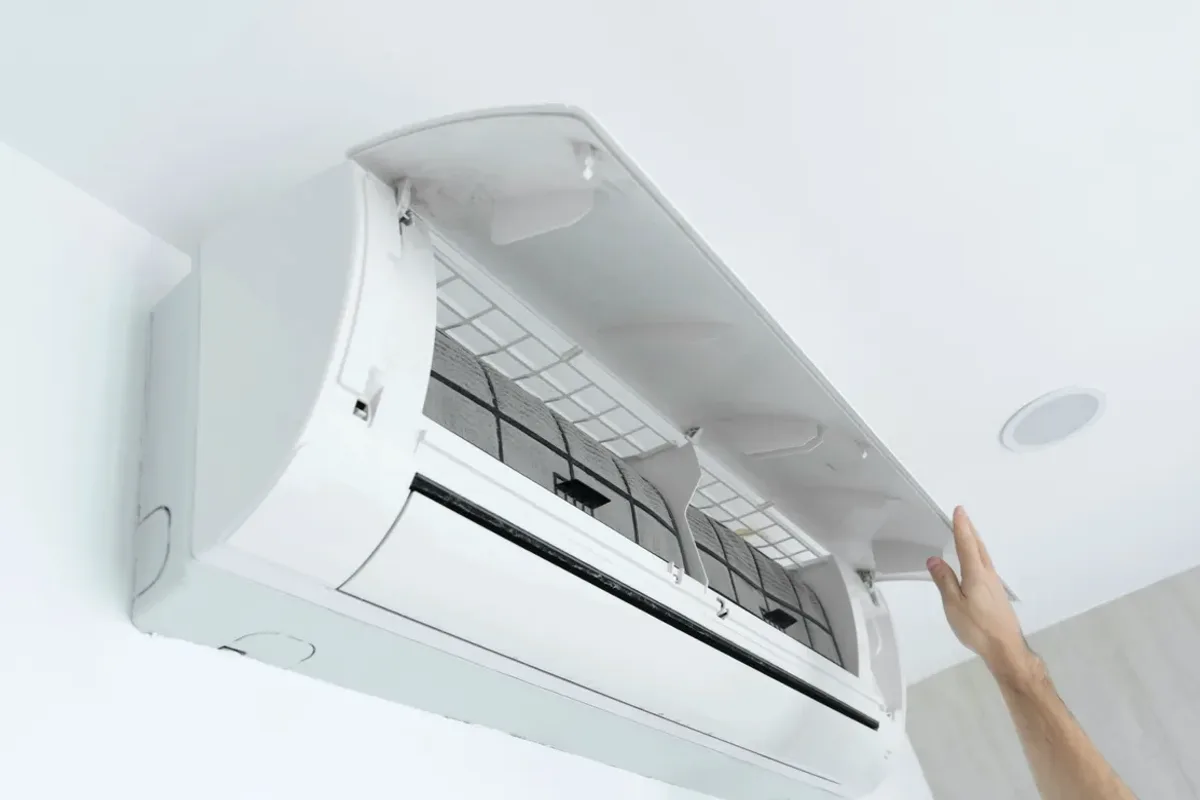
A ductless air conditioner can be considered where a room or addition needs cooling and extending existing ducts is not part of the project. Installation scope depends on the areas to be served, the arrangement of indoor heads, outdoor-unit location, and the route for piping, drainage, and electrical connections. An assessment should explain these choices and verify equipment compatibility. Where a ductless system already exists, its condition and service history may also affect whether installation or a separate repair is being considered.
List the rooms that need cooling, their connections to one another, and any limits on wall or outdoor-unit locations. The assessment should compare proposed head placement, line-set routing, condensate drainage, electrical supply, and access for future service. These details affect the number and arrangement of zones and whether existing finishes or structures need changes. Measurements and equipment specifications are more useful than choosing a system by room count alone.
Single-zone and multi-zone layout based on rooms and intended cooling coverage.
Indoor and outdoor placement, line-set routing, drainage, and electrical coordination.
Commissioning checks and manufacturer-directed care for ductless equipment.
Assessment and Scope
Questions for the Proposed Work
01
Match the system layout to the rooms
System selection starts with the areas to be cooled, their layout, and how doors and adjoining spaces affect air distribution. A single indoor head may not serve separated rooms as intended, while a multi-zone arrangement adds equipment and controls that must be compatible. The assessment should explain the proposed coverage and placement rather than assume that one unit suits every floor plan. Existing heating equipment does not by itself establish the correct cooling layout.
02
Plan routes before mounting equipment
Indoor-head position, outdoor-unit location, and the path between them determine where refrigerant lines, condensate drainage, and electrical connections must run. Where existing openings or finished walls are involved, their condition and route access can change installation work. Outdoor placement also needs suitable clearances and service access. Refrigerant-circuit connections and internal electrical work are not occupant tasks; installation plans should identify the required coordination before equipment is mounted.
03
Confirm operation and care requirements
After installation, operating checks should confirm that the selected zones respond to their controls and that drainage and system operation follow equipment instructions. The owner should receive the relevant model information and manufacturer guidance for filter and coil care. If a ductless unit is already present and has weak airflow or ice on its lines, diagnose that condition separately before treating a new installation as the solution. Maintenance intervals should follow inspection findings and manufacturer directions.
Compare the next step
Agree on the rooms and seasons assigned to the new ductless system and the equipment that remains. Ask how settings avoid competing heating and cooling calls. Record the supported controls and maintenance responsibilities for each system so occupants understand which appliance to use for a particular comfort need.