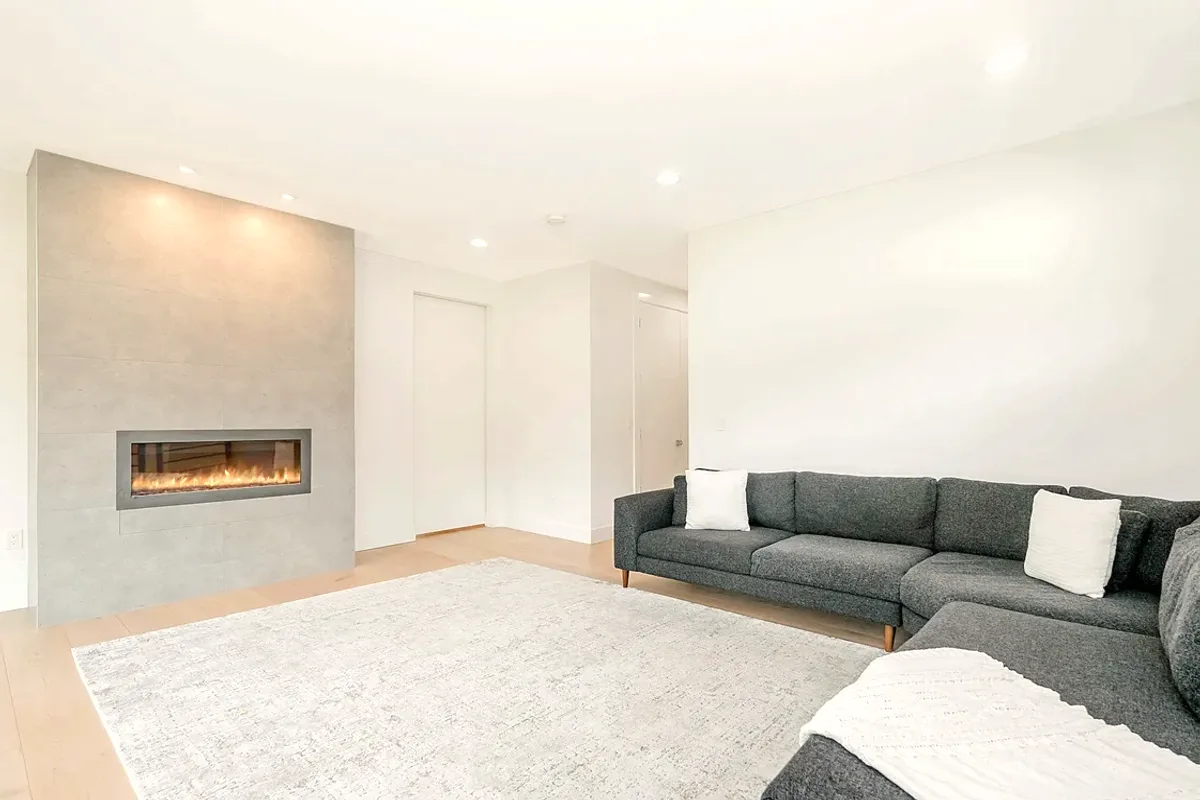
Request fireplace installation for a property in Pickering. Include the equipment, the problem or planned work, and your location so the request can be reviewed.
What should be checked before installing a fireplace in an existing opening or chimney?
A fireplace installation begins with choosing an appliance type and checking whether the intended location can accommodate it. Gas, electric, and wood-burning units have different fuel, electrical, clearance, and venting requirements, so they are not interchangeable installation scopes. Existing masonry chimneys or openings also need assessment before reuse. The project plan should identify the appliance specifications, surrounding construction, vent route, and any site conditions that may change the work before installation proceeds.
Identify the proposed appliance type, model if selected, location, and whether an existing chimney, vent, or opening will be reused. Check the appliance instructions and assess the surrounding construction, clearances, hearth, vent route, and access for connections. These details matter because wood, gas, and electric units have different installation requirements. A visible opening alone does not establish that a chimney or vent is suitable for a new appliance.
Different installation requirements for gas, electric, and wood-burning fireplaces.
Inspection of an existing masonry chimney, opening, and proposed vent route.
Fireplace component condition and the distinction between installation and later service.
Assessment and Scope
Questions for the Proposed Work
01
Plan for the selected appliance and fuel
A gas fireplace needs a suitable fuel connection and an approved venting arrangement; a wood-burning unit needs an appropriate chimney and clearances; an electric model has different electrical and enclosure requirements. The selected model’s installation instructions determine what the site must provide. If propane is used, the fuel supply and appliance compatibility need assessment. These distinctions affect placement and installation scope, so choosing a unit before checking the intended location can lead to redesign.
02
Assess existing masonry and vent routes
Where an existing masonry chimney or fireplace opening is being reused, its dimensions, condition, and intended use need inspection before connecting a new appliance. A camera inspection or draft assessment may be relevant to a wood-burning chimney, while a gas appliance requires a venting plan appropriate to its model. Damage to the firebox, appliance, chimney, or vent may change whether reuse is suitable. Do not assume an old opening is ready for a different unit.
03
Distinguish installation from later service
Installation establishes the appliance, clearances, connections, and venting specified for the chosen model; later maintenance addresses findings under that model’s instructions. A worn fan, an air-shutter adjustment, or a damaged seal is a service matter, not a reason to assume the appliance needs replacement. Conversely, damage to the firebox or vent may affect safe continued use. Assessment should identify the affected component and whether repair, replacement, or further inspection is appropriate.
Compare the next step
Show the installer how other heat sources and thermostats serve the proposed fireplace room. Ask whether local fireplace heat changes central or zone operation and how the intended output suits the room. Keep its role in the overall plan explicit while selecting location, controls, and finishes.
Use a qualified contractor for the chosen appliance and any fuel, venting, or electrical work. Do not alter the appliance or defeat its controls. Confirm its manufacturer operating requirements before relying on it for whole-home or outage heating.