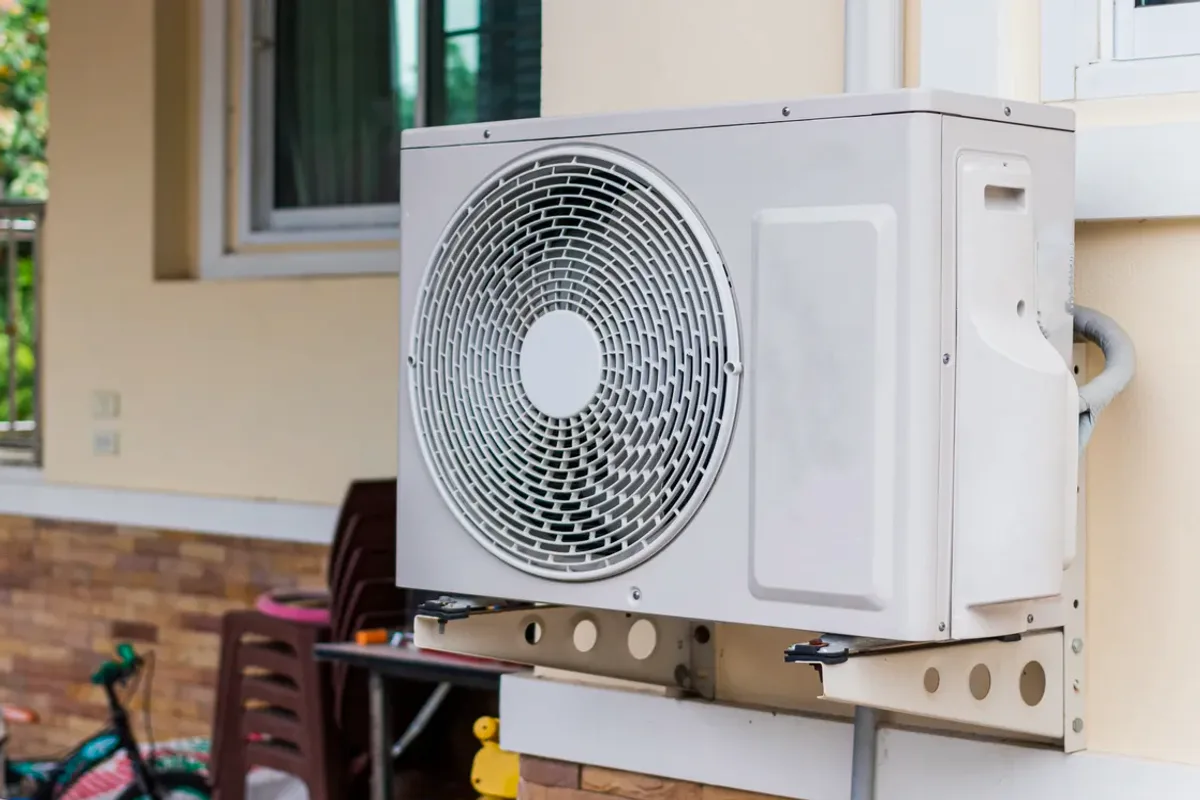
Request heat pump repair & installation for a property in Pickering. Include the equipment, the problem or planned work, and your location so the request can be reviewed.
What should be assessed before deciding whether to repair or replace a heat pump?
A heat pump serves heating and cooling through connected controls and a refrigerant circuit, so a fault in one operating mode can affect the other. Weak heating, poor cooling, unusual outdoor-unit icing, or repeated cycling can involve airflow, defrost controls, sensors, reversing-valve operation, or refrigerant conditions. Repair and installation are distinct decisions: diagnosis identifies whether existing equipment can be repaired, while replacement planning must account for the building, distribution system, and equipment compatibility.
Record the model, age if known, operating mode, thermostat settings, fault indicators, and whether the problem occurs during heating, cooling, or both. Note outdoor-unit icing and whether indoor airflow has changed, without touching the equipment. This information helps distinguish a defrost or control issue from airflow or refrigerant concerns. Installation assessment also needs the existing duct or indoor-unit configuration and the building’s heating and cooling requirements.
Defrost, sensor, reversing-valve, airflow, and refrigerant-related repair diagnosis.
Replacement selection for ducted or ductless layouts and control compatibility.
Repair-versus-replacement comparisons using equipment condition and service history.
Assessment and Scope
Questions for the Proposed Work
01
Diagnose operating faults before changing parts
Poor heating or cooling can arise from a defrost board, sensor, reversing valve, fan, airflow restriction, or refrigerant-circuit fault. Ice on an outdoor unit is not enough by itself to identify a failed component; the equipment’s operating sequence and controls need assessment. A suspected refrigerant leak requires leak diagnosis rather than an unexplained charge adjustment. Internal electrical and refrigerant work should be left to qualified service personnel, and safety controls should not be bypassed.
02
Select replacement equipment for the existing system
Replacement planning should consider the building’s heating and cooling requirements, existing ductwork or ductless layout, electrical supply, and control compatibility. If a property needs reliable operation at lower outdoor temperatures, equipment specifications and the system design should be reviewed for those conditions rather than relying on a general label. The assessment should explain whether existing distribution can serve the selected equipment or whether related changes affect installation scope.
03
Separate a repair decision from replacement planning
A minor, confirmed fault on equipment in suitable condition may support repair, while major component damage, recurring problems, or unavailable compatible parts can prompt a replacement comparison. The relevant evidence includes operating history, inspection results, model details, and whether the system can meet the property’s needs. Maintenance is a separate matter: inspections and care should follow the manufacturer’s instructions and actual findings, not an automatic annual checklist or promise of fault prevention.
Compare the next step
Ask for a written description of heating duties across the retained and new systems. Define supplementary heat, changeover conditions, distribution, and control ownership. Compare the proposed operating strategy with the household objective rather than assume adding a heat pump automatically coordinates the other appliances already installed.
Cold-climate capability does not prove that one model covers every home heating load. Ask how the selected equipment and supplementary heat meet the actual design requirements.